
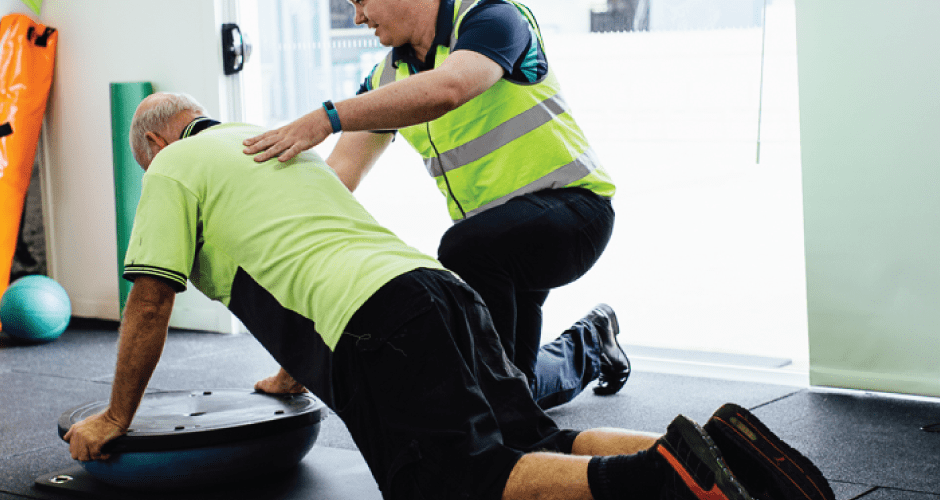
Health and wellness are the foundation of every successful fitness journey. Whether someone is a beginner stepping into the gym for the first time or an experienced athlete pushing toward higher performance, maintaining overall well-being and preventing injuries is essential. True fitness isn’t just about lifting heavier, running faster, or achieving a certain look—it’s about building a body that performs well, feels energized, and stays healthy long-term.
In today’s fast-paced world, many people jump into intense exercise routines without proper preparation, knowledge, or technique. This leads to burnout, fatigue, and preventable injuries that delay progress. By understanding the core principles of health, wellness, and injury prevention, gym-goers can achieve consistent results while keeping their bodies safe and strong.
This comprehensive guide explores the key aspects of improving wellness, maintaining physical and mental balance, and reducing the risk of injuries during exercise and daily life.
The Importance of Wellness in the Fitness Lifestyle
Wellness is more than the absence of disease—it is a holistic state of physical, mental, and emotional balance. In fitness, wellness determines how effectively the body performs, adapts, and recovers.
Physical Wellness
Physical wellness includes cardiovascular health, muscle strength, flexibility, posture, and overall metabolism. When these aspects are balanced:
-
Energy levels remain high
-
Recovery improves
-
Workouts become more efficient
-
Injury risks decrease
A well-rounded physical wellness routine includes strength training, cardio, mobility work, and adequate rest.
Mental Wellness
Mental health has a powerful connection to physical performance. Stress, anxiety, and lack of sleep can reduce motivation, slow recovery, and increase the chances of injury. Maintaining mental wellness through mindfulness, relaxation, and balanced routines helps individuals stay committed to their fitness goals.
Lifestyle Wellness
Healthy habits such as hydration, nutrition, sleep patterns, and work-life balance directly influence how well the body responds to exercise. A routine based on stability and positive habits supports sustainable fitness progress.
Foundations of a Healthy and Balanced Fitness Routine
Many injuries and wellness issues arise from improper planning or an unbalanced workout schedule. A well-designed routine focuses on:
-
Strength
-
Endurance
-
Flexibility
-
Recovery
Strength Training
Strength training improves muscle development, joint stability, and metabolic health. Key tips include:
-
Train major muscle groups 2–3 times per week
-
Use proper form and controlled movement
-
Increase weights gradually rather than abruptly
-
Avoid ego lifting or “showing off”
Cardiovascular Training
Cardio supports heart health, endurance, and fat-burning capabilities. It can include:
-
Walking or jogging
-
Cycling
-
Swimming
-
HIIT workouts
Moderate cardio for 150 minutes per week or high-intensity cardio for 75 minutes is recommended for general health.
Mobility & Flexibility Work
Stretching and mobility exercises enhance joint range of motion and prevent stiffness that leads to injury. Include:
-
Dynamic stretching before workouts
-
Static stretching after workouts
-
Mobility drills for hips, shoulders, and spine
-
Yoga or Pilates once or twice a week
Rest & Recovery
Recovery is just as important as training. Lack of rest leads to fatigue, poor performance, and increased injury risk. Important factors include:
-
Sleep (7–9 hours daily)
-
Rest days
-
Active recovery sessions
-
Proper nutrition and hydration
Injury Prevention: Techniques, Tips & Best Practices
Preventing injuries requires a proactive approach. Most gym injuries occur because of poor technique, overtraining, or neglecting the body’s signals.
Warm-Up Properly
A warm-up increases blood flow to muscles, prepares joints, and improves performance. A good warm-up includes:
-
Light cardio (5 minutes)
-
Dynamic stretching
-
Movement-specific activation (e.g., glute activation before leg day)
Use Correct Form
Incorrect technique is the leading cause of gym injuries. To maintain good form:
-
Start with light weights
-
Perform slow, controlled reps
-
Avoid copying others without understanding the movement
-
Use mirrors to check posture and alignment
Progress Gradually
Sudden increases in weight, speed, or intensity overstress the muscles and joints. Follow the “10% Rule”: increase intensity by no more than 10% per week.
Listen to Your Body
Pain is a signal, not a challenge. Differentiating between discomfort and injury is essential.
-
Sharp pain → stop immediately
-
Persistent soreness → reduce intensity
-
Chronic aches → seek professional advice
Stay Hydrated & Nutritionally Balanced
Dehydration causes muscle cramps, fatigue, and dizziness during workouts. Proper nutrition supports muscle repair and energy levels. Include:
-
Lean protein
-
Healthy fats
-
Complex carbohydrates
-
Plenty of water and electrolytes
Invest in Proper Gear
Quality shoes, supportive clothing, and safe equipment play a major role in preventing injury. Avoid using worn-out footwear or unstable workout surfaces.
Common Gym Injuries & How to Avoid Them
Understanding common injuries helps individuals take preventive measures.
Lower Back Pain

Caused by: Deadlifts, squats, sitting too long, poor bending technique
Prevention:
-
Strengthen core muscles
-
Maintain neutral spine
-
Avoid rounding back during lifts
Shoulder Injuries
Caused by: Bad overhead movements, bench press errors
Prevention:
-
Strengthen rotator cuffs
-
Improve posture
-
Use controlled pressing movements
Knee Pain
Caused by: Running on hard surfaces, improper squatting
Prevention:
-
Strengthen quads, hamstrings, and glutes
-
Warm up legs properly
-
Avoid letting knees collapse inward
Wrist & Elbow Injuries
Caused by: Overuse, poor grip, excessive weight
Prevention:
-
Use proper wrist alignment
-
Strengthen forearms
-
Don’t overload small joints
Nutrition for Wellness & Injury Prevention
Food is fuel, and it plays a major role in workout performance and recovery.
Protein for Muscle Repair
Protein repairs tissues, builds muscles, and speeds up recovery. Include:
-
Chicken, fish, eggs
-
Lentils, beans
-
Dairy products
-
Protein shakes (if needed)
Carbohydrates for Energy
Carbs provide fuel for workouts and daily activities. Healthy sources include:
-
Whole grains
-
Fruits
-
Vegetables
-
Potatoes and oats
Healthy Fats for Hormonal Balance
Fats support joints and hormone regulation. Good sources:
-
Nuts, seeds
-
Olive oil
-
Avocado
-
Fatty fish
Micronutrients
Calcium, vitamin D, magnesium, and potassium keep bones strong and muscles functioning.
Mental & Emotional Wellness in Fitness
A strong mindset is essential for long-term health and injury prevention.
Manage Stress
Chronic stress weakens the immune system and slows recovery. Use:
-
Deep breathing
-
Meditation
-
Nature walks
Avoid Comparison
Fitness is personal. Comparing yourself to others leads to frustration and unnecessary pressure. Focus on your own progress.
Set Realistic Goals
Achieving small milestones keeps motivation high and reduces burnout.
Building a Long-Term Wellness Lifestyle
True health and wellness go beyond the gym. They involve habits, mindset, and consistency.
Create a Balanced Routine
Combine strength, cardio, mobility, and rest for optimal results.
Stay Consistent
Small efforts done consistently are more effective than intense efforts done occasionally.
Track Your Progress
Monitoring improvements helps prevent overtraining and keeps you aware of your body’s limits.
Seek Professional Guidance
A personal trainer or physiotherapist can help correct technique, design safe routines, and prevent injuries.