

Strength training and muscle building have become essential components of modern health, fitness, and athletic success. Regardless of age, experience level, or fitness goals, developing strong, healthy muscles enhances your overall physical performance, boosts metabolic rate, supports joint function, and significantly improves long-term well-being. In this comprehensive guide, we explore the science behind strength training, key principles for muscle growth, essential workout techniques, nutrition strategies, and practical tips to help you achieve consistent and sustainable results.
What Is Strength Training?
Strength training—also called resistance training—is any form of exercise that challenges your muscles through external resistance. This resistance can come from:
-
Free weights (dumbbells, barbells, kettlebells)
-
Machines
-
Resistance bands
-
Bodyweight exercises
-
Weighted implements such as sandbags or medicine balls
The primary purpose of strength training is to increase muscular strength, size (hypertrophy), endurance, and power. Over time, your body adapts by increasing muscle fiber size, neuromuscular efficiency, and connective tissue strength.
Benefits of Strength Training
Strength training is not just for athletes—it benefits everyone. Some of the most significant advantages include:
Increased Muscle Mass
Consistent resistance training leads to hypertrophy, the enlargement of muscle fibers. This helps you build a stronger, more defined physique.
Higher Metabolism
Muscle tissue burns more calories at rest compared to fat. Adding muscle increases your resting metabolic rate, helping you maintain or lose weight more easily.
Improved Strength & Power
Stronger muscles mean improved performance in sports, daily activities, and physical labor. You can move more efficiently and prevent fatigue.
Better Bone Health
Strength training places stress on bones, stimulating bone density. This reduces the risk of osteoporosis and fractures.
Reduced Risk of Injury
Stronger muscles, ligaments, and tendons support the joints and reduce the likelihood of strains, sprains, and chronic pain.
Enhanced Mental Health
Exercise, including strength training, boosts mood, improves self-confidence, and reduces symptoms of anxiety and depression.
Understanding Muscle Growth (Hypertrophy)
To build muscle effectively, it’s important to understand how hypertrophy works.
Mechanical Tension
When muscles lift heavy loads, they experience tension. This signals the body to strengthen and grow the muscle tissues.
Muscle Damage
Intense workouts cause small tears in muscle fibers. The body repairs these tears, leading to larger and stronger muscles.
Metabolic Stress
Feeling “the burn” during a workout indicates metabolic stress. This stress triggers hormonal responses that support muscle growth.
Progressive Overload: The Key to Gains
Progressive overload means gradually increasing the weight, reps, sets, or intensity of your exercises. Without overload, the muscles have no reason to grow.
Best Strength Training Techniques
Compound Exercises
Compound movements work multiple muscle groups at once, maximizing strength and muscle development.
Examples include:
-
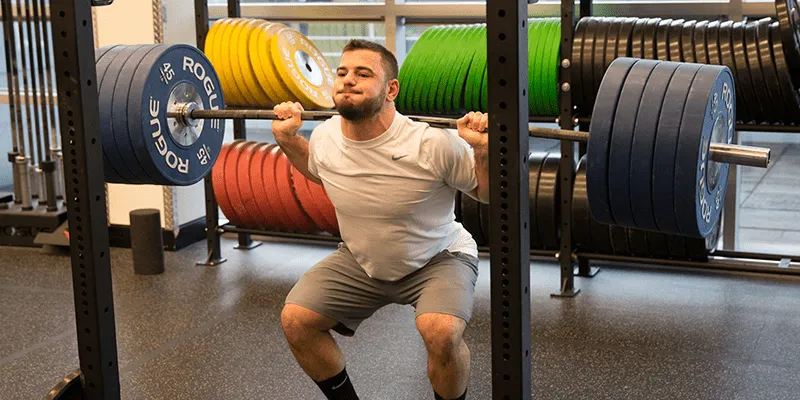
Squats
-
Deadlifts
-
Bench press
-
Pull-ups
-
Rows
-
Overhead press
These exercises should form the foundation of your strength-training routine.
Isolation Exercises
Isolation movements target one muscle group at a time.
Examples:
-
Bicep curls
-
Tricep extensions
-
Leg curls
-
Calf raises
These help shape and refine specific muscles.
Progressive Overload Methods
To continue progressing, use techniques such as:
-
Increasing weight
-
Increasing repetitions
-
Changing tempo
-
Adding pauses
-
Reducing rest time
-
Increasing training frequency
Training Splits
Choose a split based on your schedule and goals:
Full Body Split (3 days/week)
Great for beginners.
Upper/Lower Split (4 days/week)
Balance between volume and recovery.
Push/Pull/Legs Split (6 days/week)
Ideal for advanced lifters.
How to Build an Effective Muscle-Building Workout Routine
Warm-Up (5–10 minutes)
-
Light cardio
-
Dynamic stretching
-
Warm-up sets
Main Workout
Each session should include:
-
1–2 compound lifts
-
3–4 accessory exercises
-
2–3 isolation movements
Repetition Ranges
-
Strength: 3–6 reps
-
Hypertrophy: 8–12 reps
-
Endurance: 15–20 reps
Rest Periods
-
Strength: 2–3 minutes
-
Hypertrophy: 60–90 seconds
-
Isolation: 30–60 seconds
Nutrition for Muscle Building
You cannot grow muscle without proper nutrition. The body needs fuel and building blocks to repair and grow new tissue.
Protein Intake
Protein is essential for muscle repair. Aim for:
-
1.6–2.2g of protein per kg of body weight daily
Best protein sources:
-
Chicken
-
Fish
-
Eggs
-
Beef
-
Cottage cheese
-
Greek yogurt
-
Beans & lentils
Carbohydrates
Carbs provide energy for intense workouts.
Good carb sources:
-
Oats
-
Rice
-
Whole grains
-
Fruits
-
Sweet potatoes
Healthy Fats
Fats support hormones necessary for muscle growth.
Sources include:
-
Avocados
-
Nuts
-
Olive oil
-
Fish
Hydration
Muscles are about 70% water. Drink enough daily to maintain performance.
Supplements for Strength & Muscle Growth
(Not required, but helpful)
Protein Powder
Convenient for meeting daily protein needs.
Creatine Monohydrate
One of the most researched supplements—improves strength, power, and muscle growth.
BCAAs / EAAs
Help reduce muscle soreness and support recovery.
Pre-Workout
Enhances energy and focus for intense training sessions.
Recovery: The Secret to Growth
Muscles grow outside the gym—while resting.
Sleep
Aim for 7–9 hours per night.
Rest Days
Take at least 1–2 rest days per week.
Active Recovery
Includes:
-
Walking
-
Stretching
-
Yoga
Massage / Foam Rolling
Helps reduce stiffness and improve mobility.
Common Mistakes to Avoid
Lifting Too Heavy Too Soon
This leads to poor form and increases injury risk.
Skipping Compound Movements
Isolation alone won’t build real strength.
Inconsistent Training
Muscles need regular stimulation.
Poor Nutrition
Even the best workouts cannot overcome a weak diet.
Lack of Progress Tracking
Record weights, repetitions, and workout sessions to ensure progress.
Beginner-Friendly 3-Day Strength Training Program
Bent-Over Row – 4×8
-
Shoulder Press – 3×10
-
Bicep Curls – 3×12
-
Tricep Dips – 3×12
Lower Body
-
Squats – 4×10
-
Deadlifts – 3×8
-
Lunges – 3×12
-
Leg Curls – 3×12
-
Calf Raises – 3×15
Full Body
-
Pull-Ups – 4×6
-
Dumbbell Chest Press – 4×10
-
Leg Press – 3×10
-
Shoulder Lateral Raises – 3×12
-
Plank – 3×1 min