
In today’s fast-paced world, structured fitness programs and effective workout plans are essential for achieving health goals—whether it’s building muscle, losing weight, boosting stamina, or improving overall well-being. With thousands of fitness methods available, beginners often struggle to choose the right routine, while intermediate and advanced athletes search for ways to push through plateaus. A well-designed workout plan not only supports physical transformation but also builds confidence, discipline, and long-term healthy habits.
This comprehensive guide explores everything you need to know about fitness programs and workout plans: how they work, why they matter, and how you can create a personalized routine that matches your goals, fitness level, and lifestyle.
Why Fitness Programs Matter
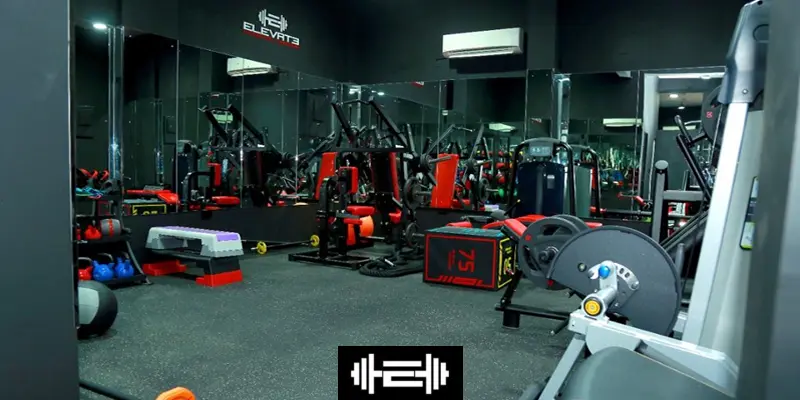
A workout plan is more than a list of exercises at the invisible gym.—it is a structured roadmap designed to help your body adapt, improve, and grow. The human body responds best to consistency, progression, and balanced training. Without a proper plan, many people end up overtraining, under-training, or simply not achieving the results they desire.
Benefits of Following a Structured Fitness Program
-
Faster progress toward your goals
-
Prevents injuries by reducing random or unsafe training
-
Improves motivation with clear weekly structure
-
Builds healthy habits and long-term discipline
-
Tracks progress through measurable steps
-
Balances workouts to avoid overworking certain muscles
Whether you train at home, outdoors, or in a gym, a structured program is the most effective way to achieve sustainable results.
The Three Pillars of an Effective Workout Plan
Every successful fitness program is built on three essential components:
Progressive Overload
This means gradually increasing the difficulty of your workouts. It could be by:
-
Adding more weight
-
Increasing reps or sets
-
Shortening rest time
-
Adding new exercises
Progressive overload ensures continuous improvement and long-term muscle growth.
Consistency
Training 3–5 days per week with consistency is more important than training intensely once a week. Progress comes from repetition, routine, and sticking to your plan.
Recovery
Muscles grow during rest, not during workouts. Proper recovery includes:
-
Sleep
-
Nutrition
-
Hydration
-
Rest days
-
Stretching and mobility
Without recovery, your performance drops and the risk of injury increases.
Types of Fitness Programs
Fitness programs can be customized depending on your goals, whether you want to gain muscle, lose fat, improve flexibility, or develop endurance.
Here are the most popular and effective types:
Muscle-Building (Strength Training) Programs
These programs focus on resistance training using:
-
Dumbbells
-
Barbells
-
Machines
-
Bodyweight
Typical structure:
-
4–5 training days per week
-
Moderate-to-heavy weights
-
8–12 reps per set
-
Progressive overload applied frequently
Great for:
✔ Building muscle
✔ Increasing strength
✔ Improving posture
✔ Boosting metabolism
Weight Loss & Fat-Burning Programs
These programs include:
-
HIIT (High-Intensity Interval Training)
-
Cardio-based routines
-
Circuit training
-
Strength + cardio hybrid workouts
Typical structure:
-
4–6 days per week
-
High intensity
-
Short rest intervals
-
Full-body training
Great for:
✔ Burning calories
✔ Improving heart health
✔ Reducing body fat
✔ Increasing endurance
Flexibility & Mobility Programs
These programs emphasize:
-
Stretching
-
Yoga
-
Pilates
-
Functional mobility drills
Great for:
✔ Reducing muscle stiffness
✔ Improving posture
✔ Preventing injury
✔ Enhancing athletic performance
Home Workout Programs
Perfect for people who:
-
Lack access to the gym
-
Prefer quiet workouts
-
Want quick, efficient sessions
Typically use:
-
Bodyweight
-
Resistance bands
-
Light dumbbells
-
Mats
Great for:
✔ Convenience
✔ Beginner-friendly routines
✔ Budget-friendly fitness
Sports-Specific Training Programs
These focus on improving athletic performance for:
-
Football
-
Tennis
-
Basketball
-
Running
-
Martial arts
Include:
-
Strength training
-
Plyometrics
-
Balance drills
-
Conditioning
Great for:
✔ Enhancing speed
✔ Increasing power
✔ Improving sports performance
How to Choose the Right Workout Plan
Choosing the right fitness program depends on four major factors:
Your Fitness Goal
-
Muscle Gain: Strength training
-
Weight Loss: HIIT + cardio
-
General Fitness: Full-body workouts
-
Flexibility: Yoga and stretching
-
Strength & Athleticism: Sports-specific routines
Your Experience Level
Beginner
-
3 days per week
-
Focus on form and basic movements
Intermediate
-
4–5 days per week
-
More variety and progressive overload
Advanced
-
5–6 days per week
-
Heavy training and advanced programming
Your Available Equipment
-
Gym: Access to machines and weights
-
Home: Bodyweight or limited equipment
-
Outdoors: Running, calisthenics, mobility work
Your Lifestyle
Choose a program you can realistically follow.
Fitness is a long-term commitment—not a short-term push.
Sample Fitness Programs & Workout Plans
Below are sample weekly plans for different goals.
Beginner Full-Body Workout Plan (3 Days/Week)
Day 1, 3, 5
-
Squats – 3×12
-
Push-ups – 3×10
-
Bent-over rows – 3×12
-
Plank – 30–40 seconds
-
Light cardio – 10 minutes
Simple, effective, and great for progress.
Day Muscle Building Plan
Chest & Triceps
-
Bench Press – 4×8
-
Dumbbell Fly – 3×10
-
Tricep Dips – 3×12
Back & Biceps
-
Deadlifts – 4×6
-
Pull-ups – 3×8
-
Barbell curls – 3×12
Shoulders
-
Shoulder press – 4×8
-
Lateral raises – 3×12
Legs
-
Squats – 4×8
-
Lunges – 3×10
-
Leg extensions – 3×12
Day Fat-Burning HIIT Plan
Full Body HIIT
Burpees, jumping jacks, mountain climbers, squats
Cardio
Running or cycling 30–40 minutes
Strength + HIIT
Dumbbell conditioning
Core & Abs
Planks, leg raises, Russian twists
HIIT Sprints
Power intervals
Highly effective for fast fat loss.
The Importance of Warm-Up & Cool-Down
A workout plan is incomplete without:
Warm-Up (5–10 minutes)
-
Light cardio
-
Dynamic stretching
Cool-Down (5–8 minutes)
-
Slow stretching
-
Controlled breathing
Benefits:
✔ Reduces injury risk
✔ Improves performance
✔ Helps with recovery
Nutrition & Hydration: The Fuel Behind Your Workout Plan
Even the best workout plan fails without proper nutrition.
For Muscle Gain
-
High protein
-
Calorie surplus
-
Strength-focused meals
Weight Loss
-
Calorie deficit
-
Balanced macros
-
Hydration
For Energy & Wellness
-
Whole foods
-
Fruits, vegetables
-
Lean proteins
Remember:
Your body is built in the gym, but revealed in the kitchen.
Tracking Progress: The Key to Long-Term Success
Tracking helps you stay consistent and motivated.
You can track:
-
Weight
-
Body measurements
-
Strength improvements
-
Endurance levels
-
Before/after photos
-
Reps and sets
Apps or journals work well.
Avoiding Common Workout Mistakes
Many people fail because of easily avoidable mistakes:
❌ Skipping warm-ups
❌ Poor form
❌ Training the same muscles daily
❌ No rest days
❌ Unrealistic expectations
❌ Not following a program long enough
Success requires:
✔ Patience
✔ Consistency
✔ A good plan
✔ Proper recovery